

Even the most beautiful venues can feel underwhelming if the space isn’t activated properly. Large ballrooms, open industrial venues, and expansive outdoor locations are common in Nashville, Tennessee—and while they offer flexibility, they can also leave corporate planners wondering how to make the space feel intentional rather than unfinished.
When event spaces feel empty, the solution isn’t to add clutter. It’s to use the right event furniture rentals strategically to define zones, create visual interest, and guide guest interaction.
Empty spaces often feel that way because they lack structure. Guests instinctively look for cues that tell them where to gather, sit, or socialize. Creating clear zones helps break a large footprint into approachable, human-scale environments.
Lounge furniture rental groupings using sofas, accent chairs, and coffee tables are one of the most effective ways to accomplish this. By clustering seating, planners can turn unused square footage into comfortable conversation areas that invite guests to pause and engage.
Tables serve as visual anchors and help establish balance across a room.
These pieces subtly fill space while supporting how guests naturally move and interact.
A common reason spaces feel empty is a lack of visual layering. Everything exists on the same horizontal plane, leaving the room feeling flat.
Adding variation through:
helps draw the eye across the room and creates a sense of depth. These layers make the space feel curated rather than sparse.
Scenic elements are especially valuable in large or unconventional venues. They allow planners to visually “edit” the space by:
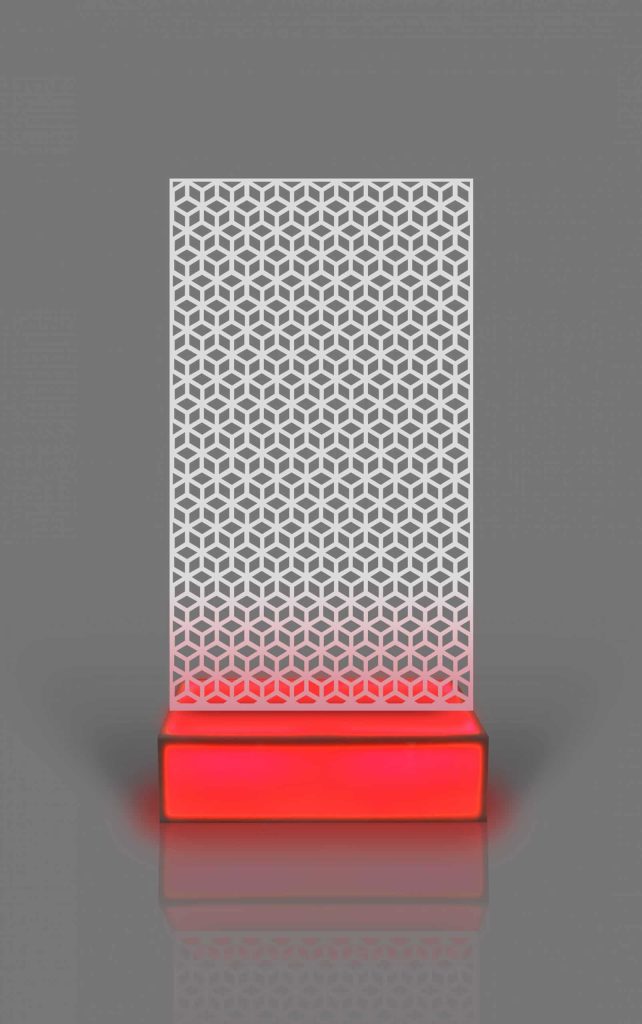
Scenic walls, drape, or branded panels can transform wide-open rooms into environments that feel intentional and complete.
Functional elements can also help fill space while adding value to the guest experience. Charging furniture, bars, registration setups, or branded activation areas naturally attract guests and prevent areas from feeling forgotten or unused.
When functionality and design work together, every square foot serves a purpose.
The goal is not to fill space indiscriminately, but to balance openness with intention. Clean, modern furniture rentals allow planners to add structure without sacrificing flow or comfort. Uniform styles and finishes help maintain cohesion across multiple zones, ensuring the space feels polished rather than pieced together.
An empty-feeling venue is not a failure—it’s an opportunity. With thoughtful furniture placement, layered design, and strategic use of scenic and functional elements, large spaces can feel welcoming, dynamic, and purposeful.
At Modern Event Rental Nashville, we help planners transform open floor plans into environments that support connection, movement, and experience—ensuring no space feels unused and every event feels complete.
Large venues can feel empty when areas are not clearly defined. Without intentional furniture placement or visual structure, guests may spread out too much or avoid certain areas altogether.
Furniture creates purpose within a space. Lounge furniture groupings, cocktail tables, and accent pieces help define zones, encourage interaction, and make large rooms feel more inviting.
Lounge seating, cocktail tables, coffee and end tables, and console or parson-style tables are effective for adding structure without overcrowding the layout.
Scenic elements such as panels, drape, or partitions can block unused areas, frame focal points, and visually break up wide-open rooms to create a more intentional design.
The key is balance. Using clean, modern, and uniform furniture styles allows planners to add structure while maintaining open flow and visual clarity.
Yes. Charging stations, bars, registration areas, and branded activations naturally attract guests and activate areas that might otherwise feel unused.
Addressing space early in the planning process allows furniture and scenic elements to be integrated intentionally rather than added as last-minute fixes.

